
If you’re like many homeowners, when you discover that you have a clog, your first instinct is probably to reach for that bottle of chemical, store-bought drain cleaning “solution” that you got at the grocery store.
The problem with this is… you’re probably doing more harm than good.
That’s right, these chemical solutions can actually hurt your drains and the rest of your plumbing system. While they may temporarily clear out the affected pipe, they do so at a considerable cost—one that most homeowners don’t realize they’re paying.
Read on to learn more about what you’re doing to your plumbing system when you use store-bought remedies and what you can do instead.
 It seems like we blinked and then the holiday season was upon us, right? Like it or not, it’s time to start making plans—and of course this year those plans are going to look a lot different than we thought they would. Still though, whether it’s your adult children coming over or a few people in your “quaranbubble” the fact is that you might be having guests over for the holidays. And with guests comes an increased demand on your plumbing system, believe it or not.
 Imagine this scenario: you’re peacefully sleeping or relaxing in your home, and then all of the sudden your peace is disrupted by a persistent knocking noise. It’s not coming from the front door—rather, it’s coming from… inside your walls!
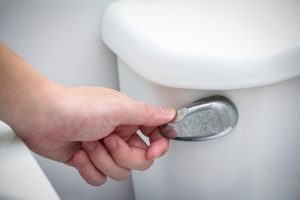 One of the most common calls we get in regards to toilet plumbing is about a toilet that won’t stop running. It sounds like a bad joke, but unfortunately, it’s actually a reality for many homeowners throughout the country. Fortunately, though, it’s not a serious problem. Not for our plumbers, anyway.
 If there is any appliance that homeowners take for granted, we’d safely bet that it’s the water heater. You know, until something goes wrong with it! Water heaters are the most often used appliance in any given home, and when something goes wrong with it you’re typically faced with costly repairs or replacement.

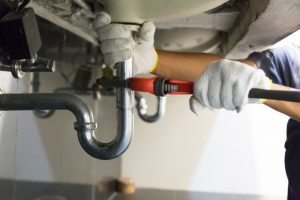 In the best-case scenario, a “plumbing problem” will mean that you have a drippy faucet or a pinhole leak that you may be able to, at least temporarily, fix on your own. Or perhaps you have a superficial clog in a drain that won’t take anything more than a plunger and some good ol’ fashioned “elbow grease” to relieve. In a worst-case scenario though, your plumbing problem will mean that you need repiping.
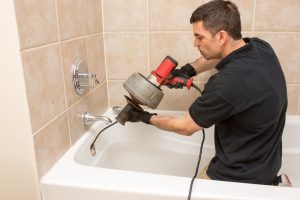 It’s pretty much inevitable that at some point, you will encounter a clogged drain in your home. What’s your first instinct when this happens? If you’re like many homeowners, it’s likely to reach for a bottle of store-bought chemical drain cleaner.
 With how much time we’ve spent indoors lately, it’s only natural to think about whether your home is as aesthetically pleasing, comfortable, and functional as you would like. You might be considering changing things up with a kitchen remodel, which is a great idea! Of course, it’s important to remember that remodels do take a lot of work, and some of this work will require the help of a professional plumber.
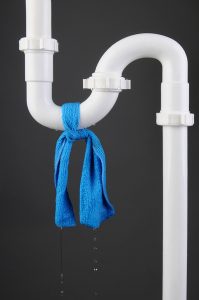 We probably don’t need to tell you that if you have a leaking pipe in your home that’s undetectable to the naked eye, you’ve got a problem on your hands. Other plumbing issues make themselves known pretty quickly—for instance it’s very hard not to recognize a clogged toilet or a leaking faucet. The pipes tucked away in your home—such as in your basement or behind the walls—are less noticeable.