
 We recently wrote about how to achieve a successful kitchen remodel, but what if you’re still deciding if you even want to remodel your kitchen? There are a lot of factors to consider, after all. Do you want everything in the same place as it was? Do you need new plumbing fixtures, or even repiping services? What sort of appliance upgrades should you make?
With so many choices to sift through, it can be overwhelming and could potentially discourage you from getting started. But if you have the right team on your side, a kitchen remodel certainly doesn’t have to be overwhelming. We’re here for you to answer any questions you might have, and to help you get started. Read on as we uncover a few reasons why you might want to go ahead and do a kitchen remodel.
 When you imagine all the things that might go wrong with a plumbing system, hard water is probably not one o your concerns, right? After all, things like a clogged toilet, a leaky faucet, or a burst pipe—those things are emergencies… “hard water” doesn’t even make a “top 10” list of worst plumbing problems to have.
 When homeowners are on the search for the best ways to care for their homes, they typically are on the lookout for DIY tips. This makes sense–oftentimes DIY solutions to just about any home improvement or home care project are going to be more affordable. But when you’re looking at “what’s most affordable” are you just considering the upfront costs, or are you considering the long-term costs?
 Planning a kitchen remodel–that is, planning a kitchen remodel that will be successful, starts with hiring the right contractors. While a general contractor has basic knowledge of what’s needed for your kitchen remodel, it can be a crapshoot about the sort of subcontractors they choose, and therefore you may end up with electrical and plumbing problems when the job is done.
 We’ve all seen them—those shows or movies that depict a homeowner discovering a leak when a massive rainstorm hits or when they really need to get their living space ready for a gathering. These are scenes that typically involve buckets being placed all throughout the home, or an aggressive stream of water spewing out of a kitchen sink cabinet.
 Nobody likes to think about one particular part of their plumbing system, but the truth is that it’s maybe the most important part of the plumbing system, allowing for wastewater to safely and hygienically leave the property.
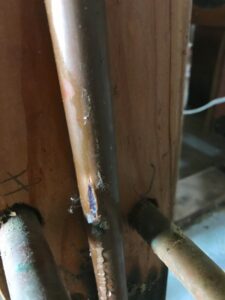 If you’ve lived through even one St. Louis winter, then you know just how impossibly chilly it gets! With that decline in temperature comes an unfortunately popular problem–frozen pipes. And, frozen plumbing has the potential to lead to a lot of damage if not properly addressed. The problem isn’t so much the freezing itself, but the thawing. Thawing creates a negative pressure within the pipes, and this is what leads to your pipes bursting.
 As you cook your holiday meal this season, please hesitate before throwing certain cooking and food byproducts down your kitchen sink drain, and take a moment to read this blog post.
 The last almost 2 years now have found us at home more than ever before. As a result, we’re all getting a lot more use out of our home comfort systems, including our plumbing systems. While taking care of your plumbing system is always a good idea, it’s even more pertinent now.
 One of the most frequent calls that professional plumbers receive is in regards to their bathroom plumbing–maybe they have a clogged bathroom sink drain, or the showerhead won’t stop leaking, or the worst–their toilet has a problem. And usually, it all comes down to one main issue–their toilet won’t stop running. While this doesn’t sound like a major problem, it can actually lead to you wasting hundreds of gallons of water each year. That’s water you are otherwise paying for but not actually using.