
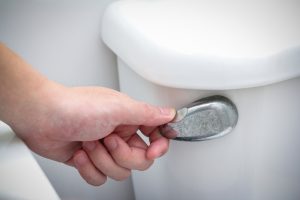
 One of the most frequent calls that professional plumbers receive is in regards to their bathroom plumbing–maybe they have a clogged bathroom sink drain, or the showerhead won’t stop leaking, or the worst–their toilet has a problem. And usually, it all comes down to one main issue–their toilet won’t stop running. While this doesn’t sound like a major problem, it can actually lead to you wasting hundreds of gallons of water each year. That’s water you are otherwise paying for but not actually using.
So, this is an issue you want to take care of right away, but how do you do so? By calling our plumbers! Read on as we uncover the importance of trusting a professional plumber, and what might have led to this leading toilet trouble to begin with.
 If you’ve never heard the phrase hard water before, it can sound a little ominous. It can certainly create problems! The good news is, hard water is not harmful to ingest. It is, however, harmful to your plumbing system over time.
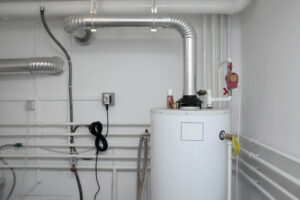 If we asked you to name the most important home comfort appliance in your home, what would you name? If you said your water heater, then we’re definitely on the same wavelength! The water heater within your home is a true workhorse. It provides you with the hot water you need to take a shower, wash dishes, do the laundry, and so much more. If you’re using a tank water heater, then there is a component that you rely on heavily for this to all happen, even though you’ve likely never heard about it–the anode rod.
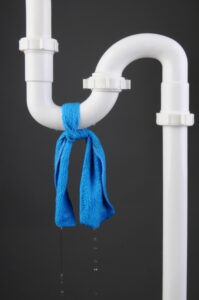 The sometimes tricky thing about plumbing issues is they’re really good at hiding! They often occur behind the walls of your home, and sometimes even under the foundational slab of your property, so they’re often almost undetectable. Some plumbing problems, however, such as a clogged drain or a leaky faucet, are pretty apparent and you don’t really need to know the signs since you can see them clearly.
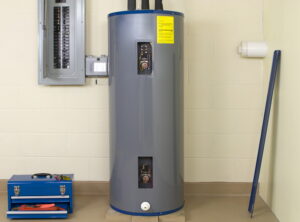 When it’s been a hot day, or when you finish a tough workout, a cold shower is welcomed. But when you are surprised by icy cold water hitting you when you were relying on a lukewarm shower, it’s a different story. In this former scenario, you probably wouldn’t even give much thought to how your water heater is performing, but the second scenario would make it pretty apparent that something is amiss.
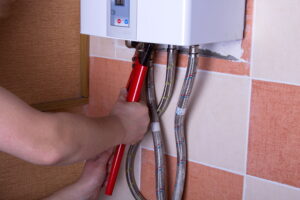 When most folks envision a water heater, they see a big tank, with pipes and water lines coming out of it. What if you take away the tank, though?
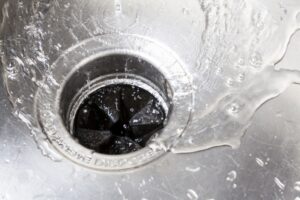 Do you know how to tell when it’s time for a drain cleaning? Better yet, do you know what to do when you need a drain cleaning?
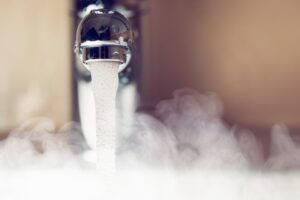 The short answer to this is, “yes.” Why? Because of something called hard water and scaling. You’ve likely heard these terms before, but maybe you didn’t quite understand what they meant. Hard water refers to a water supply that has a large amount of minerals in it—namely calcium, magnesium, and iron. For most people, this is perfectly safe to ingest. But it’s not so great for your plumbing system, including the water heater.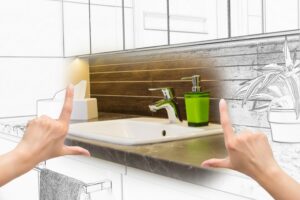
 Are you considering remodeling your kitchen? Since they’re often at the center of a home and occupants usually spend a good majority of their time in this area, it makes sense that you want yours to look nice.