
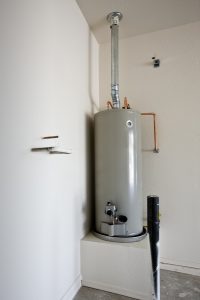
 Water heaters are one of those things that many homeowners take for granted, even though it’s something that’s used every single day—could you imagine showering without hot water?
When it comes time to replace this system or install one in a newly constructed home, you want to make sure you’re getting one that matches your household’s specific needs, and isn’t going to cost more than necessary to run, right?
One of the biggest decisions you’ll have to make in this case, then, is whether to go with a traditional storage-tank water heater or do something different and go tankless. But what’s the difference? And is one better than the other? Read on to learn more about both systems.
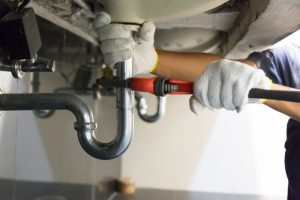 In the best-case scenario, a “plumbing problem” will mean that you have a drippy faucet or a pinhole leak that you may be able to, at least temporarily, fix on your own. Or perhaps you have a superficial clog in a drain that won’t take anything more than a plunger and some good ol’ fashioned “elbow grease” to relieve. In a worst-case scenario though, your plumbing problem will mean that you need repiping.
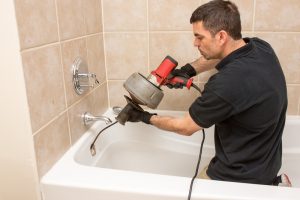 It’s pretty much inevitable that at some point, you will encounter a clogged drain in your home. What’s your first instinct when this happens? If you’re like many homeowners, it’s likely to reach for a bottle of store-bought chemical drain cleaner.
 Chances are, you are familiar with the traditional water heater setup—storage tank water heaters are very noticeable, and often even a little noisy. This conventional water heater is found in most homes throughout the country, so many people realize that a tank water heater may need attention from time to time, in the form of system maintenance.
 With how much time we’ve spent indoors lately, it’s only natural to think about whether your home is as aesthetically pleasing, comfortable, and functional as you would like. You might be considering changing things up with a kitchen remodel, which is a great idea! Of course, it’s important to remember that remodels do take a lot of work, and some of this work will require the help of a professional plumber.
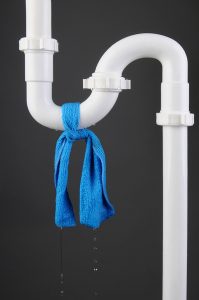 We probably don’t need to tell you that if you have a leaking pipe in your home that’s undetectable to the naked eye, you’ve got a problem on your hands. Other plumbing issues make themselves known pretty quickly—for instance it’s very hard not to recognize a clogged toilet or a leaking faucet. The pipes tucked away in your home—such as in your basement or behind the walls—are less noticeable.
 Hard water is one of those things that a lot of residents and business owners deal with, even without realizing. The problem is, it slowly degrades the efficiency of a plumbing system until one day limescale buildup either leads to a clog or pipe leaks. This is a bad enough problem in a home, can you imagine it in your business?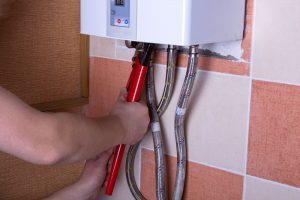
 Homeowners often assume they can just get a general handyman to fix any problem they have—you pay less and they do an effective job, right?
 A common service we often recommend to our customers is routine drain cleaning as part of your overall plumbing maintenance. Our plumbers will come to your home and use the best in current technology—such as a hydro-jet system—to thoroughly clear out the drainpipes throughout your household.